Biophilic Design: 12 Easy Ways to Bring Nature Into Your Home
- Oct 9, 2024
- 6 min read
Updated: Oct 9, 2024
In our increasingly urban and digital world, there's a growing desire to reconnect with nature. Enter biophilic design – a concept that goes beyond simply adding a few houseplants to your space. This innovative approach to interior design incorporates natural elements and patterns to create spaces that improve well-being, reduce stress, and boost productivity. Let's explore how you can transform your home into a nature-inspired haven that nurtures both body and soul.
What is Biophilic Design?
Biophilic design is based on the concept of biophilia – the innate human tendency to seek connections with nature. It's not just about aesthetics; it's about creating environments that resonate with our evolutionary preferences for natural surroundings. By bringing elements of nature into our built environments, we can reap numerous benefits:
Reduced stress and anxiety
Improved cognitive function and creativity
Enhanced mood and sense of well-being
Better air quality
Increased productivity
Faster recovery from illness or fatigue
Now, let's dive into practical ways to incorporate biophilic design into your home.
1. Embrace Natural Light
Maximizing natural light is a cornerstone of biophilic design. It helps regulate our circadian rhythms, boosts vitamin D production, and generally makes spaces feel more open and alive.
Tips:
Use sheer curtains or blinds that allow light to filter through
Position mirrors strategically to reflect light deeper into rooms
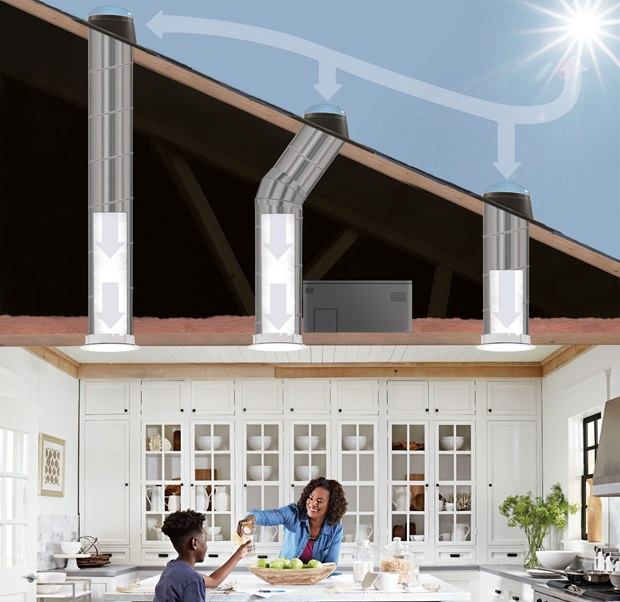
Consider skylights or solar tubes for rooms with limited windows
Product Spotlight: The Velux Sun Tunnel Skylight brings natural daylight into your home, even in windowless spaces. Its low-profile design fits seamlessly into most roofs, flooding your rooms with soft, natural light throughout the day.
2. Incorporate Living Plants
Plants are the most direct way to bring nature indoors. They purify air, add texture and color, and create a sense of vitality in any space.
Tips:
Choose a variety of plants with different shapes, sizes, and textures
Use hanging planters to create layers of greenery
Consider a living wall for a dramatic statement
Product Spotlight: The Homdox 5 Tier Vertical Wall Garden Planter is perfect for creating a stunning indoor vertical garden. With its cascading design and self-watering system, it's easy to add a variety of plants to your living space, even with limited floor area.

3. Use Natural Materials and Textures
Incorporating natural materials like wood, stone, and natural fibers can create a sensory-rich environment that connects us to nature.
Tips:
Choose furniture made from sustainably sourced wood
Use natural stone tiles in bathrooms or kitchens
Incorporate woven baskets, jute rugs, or linen curtains for added texture
Product Spotlight: The nuLOOM Natura Collection Jute Area Rug brings warmth and texture to your space. Made from 100% jute, it adds a natural, earthy element to any room while providing a comfortable surface underfoot.

4. Mimic Natural Shapes and Forms
Biophilic design often incorporates organic shapes and patterns found in nature, known as biomimicry.
Tips:
Choose furniture with curved lines or irregular shapes
Use wallpaper or artwork featuring natural patterns like leaves, waves, or honeycombs
Incorporate fractal patterns, which are repeating patterns found throughout nature
Product Spotlight: The Oxdigi Wooden Slat Peel and Stick Wallpaper offers a range of designs inspired by natural patterns. This removable wallpaper can transform a room into a nature-inspired sanctuary without the commitment of traditional wallpaper.

5. Create a Sense of Refuge
In nature, we're drawn to spaces that provide shelter and a sense of security. Recreate this feeling in your home with cozy nooks and secluded areas.
Tips:
Create a reading corner with a comfortable chair and soft lighting
Use room dividers or strategically placed furniture to create intimate spaces within larger rooms
Design a canopy bed for a cocoon-like sleeping environment
Product Spotlight: The Christopher Knight Home Tear Drop Hanging Chair creates an instant refuge in any room. Its egg-like shape and soft cushions provide a sense of enclosure and comfort, perfect for reading or relaxation.

6. Harness the Power of Water
The sight and sound of water can have a profoundly calming effect on our psyche.
Tips:
Install a small indoor fountain or water feature
Use artwork or photography featuring water scenes
Consider an aquarium for both visual interest and the soothing sounds of bubbling water
Product Spotlight: The Alpine Corporation Tabletop Waterfall Fountain with River Rocks combines a natural rock design with the soothing sound of trickling water. Its compact size makes it suitable for any room, from living areas to home offices.

7. Optimize Air Quality and Ventilation
Good air quality is essential for our health and well-being. Biophilic design emphasizes natural ventilation and air purification.
Tips:
Use operable windows to allow for natural airflow
Install ceiling fans to improve air circulation
Choose low-VOC paints and materials to reduce indoor air pollution
Product Spotlight: The Honeywell QuietSet Whole Room Tower Fan mimics natural breeze patterns, creating a more organic and refreshing airflow than traditional fans. It offers multiple speed settings and a remote control for convenience.

8. Play with Natural Color Palettes
Colors found in nature can help create a calm, harmonious environment.
Tips:
Use earthy tones like browns, greens, and blues as a base palette
Incorporate pops of color inspired by flowers or sunsets
Consider the psychological effects of different colors (e.g., blue for calmness, green for balance)
Product Spotlight: The KILZ TRIBUTE Interior Matte Paint and Primer in One offers a range of nature-inspired colors, from soft neutrals to vibrant accent shades. These low-VOC paints allow you to easily incorporate earthy tones and natural hues into your space.

9. Create Visual Connections to Nature
Even when direct contact with nature isn't possible, visual connections can still provide benefits.
Tips:
Position furniture to maximize views of outdoor spaces
Use nature-themed artwork or photography
Install large windows or glass doors to blur the line between indoors and outdoors
Product Spotlight: The LG OLED TV with Gallery Design can display high-resolution nature scenes when not in use, effectively turning your TV into a window to the natural world. It's perfect for creating a visual connection to nature in rooms without views.

10. Incorporate Natural Scents
Our sense of smell is closely linked to emotions and memories. Natural scents can enhance the biophilic experience.
Tips:
Use essential oils in a diffuser
Place fragrant plants like lavender or jasmine in your space
Choose cleaning products with natural, botanical scents
Product Spotlight: The ASAKUKI 500ml Premium Essential Oil Diffuser can be programmed to release nature-inspired scents at specific times. Pair it with a set of organic essential oils like lavender, pine, or eucalyptus to bring the scents of nature indoors.

11. Design for Dynamic and Diffuse Light
In nature, light is constantly changing. Mimicking these patterns can help maintain our connection to the natural world.
Tips:
Use a mix of ambient, task, and accent lighting
Install dimmer switches to adjust light levels throughout the day
Choose light fixtures that cast interesting shadows or patterns
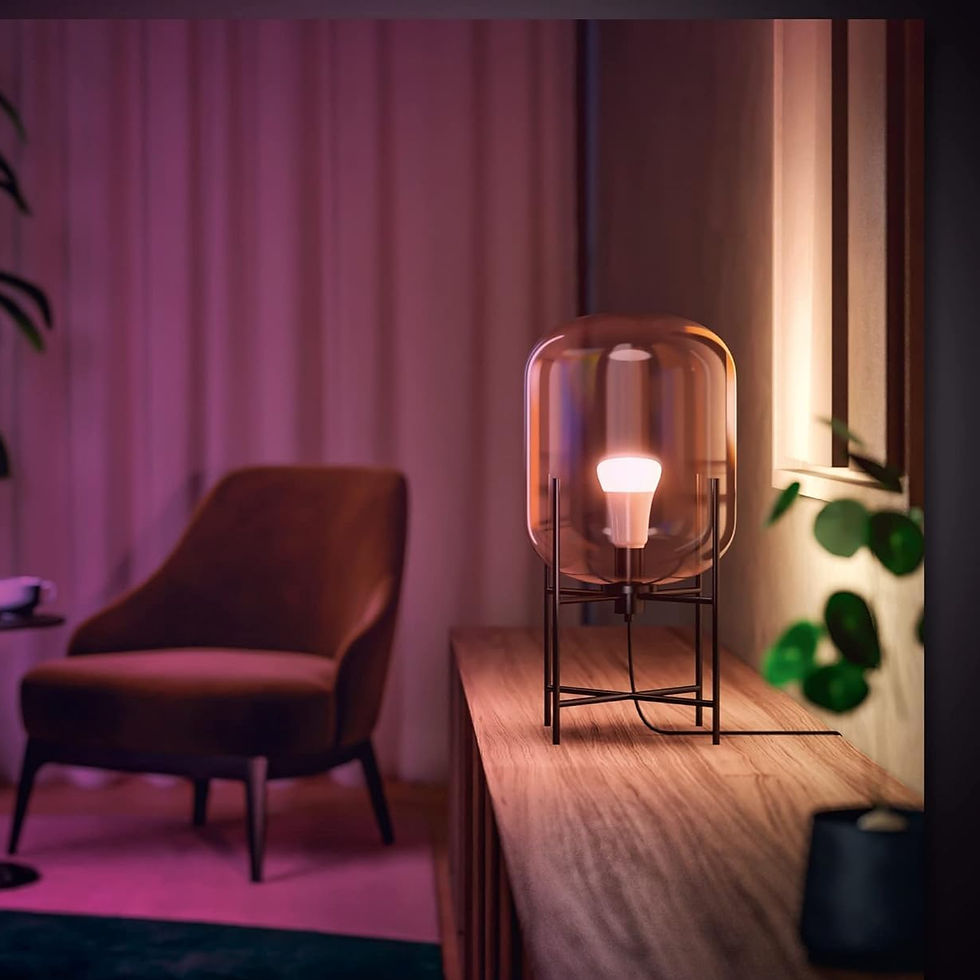
Product Spotlight: The Philips Hue White and Color Ambiance LED Smart Bulb allows you to create dynamic lighting scenes that change throughout the day, mimicking the natural progression of sunlight.
12. Create Transitional Spaces
In nature, we experience gradual transitions between different environments. Recreate this in your home with transitional spaces.
Tips:
Design an entryway that eases the transition from outdoors to indoors
Use covered patios or sunrooms as intermediate spaces
Create subtle divisions between rooms using changes in flooring or ceiling height
Product Spotlight: The ECOMEX Ginger Bamboo Room Divider Screen uses a combination of natural bamboo material and adjustable panels to create flexible, nature-inspired transitions between spaces in your home.

Conclusion: A Natural Approach to Modern Living
Biophilic design is more than just a trend; it's a return to our roots and a recognition of our innate connection to the natural world. By incorporating these elements into our homes, we can create spaces that not only look beautiful but also support our physical and mental well-being.
Remember, biophilic design is about creating a holistic experience. Start by observing the natural elements you're most drawn to and gradually incorporate them into your space. Whether it's the soothing sound of water, the warmth of natural wood, or the vitality of living plants, find the elements that resonate with you.
As you transform your home with biophilic design principles, you may find yourself feeling more relaxed, focused, and in tune with the natural rhythms of life. It's not just about changing your space – it's about enhancing your quality of life.


Comments